

Quick reflexes matter in big bass crash, but watch a top UK player and you’ll see something else. The main contrast is in their thinking. The game’s mental draw is as fierce as its blazing multipliers. The trick isn’t just guessing when the multiplier will crash. It’s controlling your own emotions to the dramatic shifts. This article analyzes the psychological habits and frameworks these professionals use. They build discipline, handle risk, and execute clear choices when the pressure is on. We’re going beyond the basic button presses to the fundamental mentality that turns lucky hits into consistent, strategic play.
The Psychology of Fluctuation and Risk
Big Bass Crash is a game of controlled exposure to pure volatility. The number climbs, the anticipation grows, and the max win plays a tempting tune. UK pros view this differently as a simple bet of the wheel. They see a chain of calculated moves. They treat each round as its own isolated event. The last crash has no influence the next one, a concept called result isolation. This thinking destroys the risky notion of chasing losses or assuming a crash is “due.” Their setup starts with a simple, brutal acceptance: the game is random. Once they internalize that, short-term swings stop hurting emotionally. They start a session already okay with the idea of losing. This appears odd, but it gives them space. It allows clear thinking. While amateurs waste energy on stress or hype, pros direct that energy into their individual strategies. For them, risk becomes a field to understand, not an foe to confront.
Embracing the Uncontrollable
A key element of this approach is drawing a clear boundary between what you are able and unable to manage. Pros keep two sets of ideas. One list contains the things they manage: their bet size, when they decide to cash out, how long they stay in the session, their feelings. The other list has just one item: the specific instant the crash occurs. They focus their focus entirely on the controllable items. This lowers tension and the gradual impact of mental tiredness. Many practice this through specific visualization techniques, picturing the crash as a chance happening, like a flipped coin. The goal is to respond with a composed, thought-out action, not a spur-of-the-moment impulse. This isn’t about not caring. It’s about developing a shock absorber between the outcome and your own inner stability. When the crash strikes, you want a tactical response, not an overreaction.
Building a Pre-Game Practice

The mental work begins well before the initial bet. UK experts treat a playing session like a musician handles a gig. They must have a practice to get in the zone. A consistent pre-session routine acts as that gateway. It moves the brain from daily clutter into a condition of focused intent. For some, this means a brief period of calm breathing to settle the mind and sharpen attention. Others might pull up a straightforward text file with their core rules—bankroll caps, loss ceilings, cash-out thresholds. The practice’s actual job is to create a stop. It establishes a gap between the impulse to gamble and the process of playing. In that pause, they set their targets. These are nearly always about method, not results. A strong goal is “I will cash out at 5x every time.” A poor goal is “I must win £50 today.” That cognitive anchor becomes a safety net later when the session gets rough, a steady point to come back to.
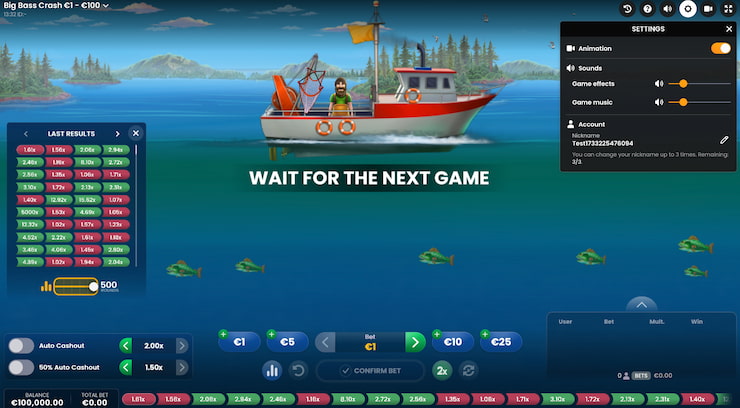
Řízení bankrollu as a Mentální Kázeň
Hráči mluví o bankroll management jako by to byla just math. For a pro, it’s psychological armor. Tam, kde jejich riziková teorie setkává s praxí. Britští hráči we see vymezují a session bankroll jako finanční obnos they are fully prepared se rozloučit. They wall it off od výdajů na živobytí, both in their wallet and in their head. Opravdová kázeň shows in neochvějném závazku to unit betting—where every wager je malý, pevný díl z celku—a k striktním limitům ztrát. Tito profesionálové nevnímají these rules as handcuffs. Vidí je jako svobodu. The rules automate the toughest call of all: vědět, kdy přestat. Při sérii proher, the brain screams přitlačit and chase the loss. Jejich připravenost spočívá v předchozím odhodlání. They decide the limits když jsou klidní, so when the heat is on, volba je již hotová. Toto proměňuje bankroll management ze suché kalkulace v reálný nácvik in emotional control.
Attention and Focus Techniques
Big Bass Crash is quick and repetitive. Attention can wander, and that’s when mistakes happen. Pros use specific methods to keep their focus razor-sharp. A well-known one is interval play. They’ll play a set number of rounds, say fifty, or stick to a strict twenty-minute block. Then they take a mandatory break, no exceptions. This fights “autopilot mode,” where reactions diminish and discipline falters. While playing, they practice focused attention. They tune into the game’s visual climb and rising soundtrack, and intentionally tune out distractions like chat boxes or phone pings. Some even use a soft voice in their head, describing their actions. “Bet placed. Cash-out set at 7x.” This verbal cue strengthens intentionality. This state of hyper-awareness lets them identify their own bad habits in real time, like the urge to let a bet ride too long during a good run, so they can rectify it immediately.
Managing Tilt and Emotional Spikes
No one is exempt from tilt—that surge of frustration that obscures judgement. The professional advantage isn’t in avoiding it, but in having a routine for it. Step one is awareness. They’re alert to their own physical signals: a quicker pulse, a tense jaw, the impulse to place a reckless bet. The moment they spot it, the response is immediate and non-negotiable: a full stop. They get up from the screen. They follow a pre-planned cool-down, maybe a walk around the room, drinking a glass of water, or doing a sudoku puzzle. The key is they don’t bargain. “Just one more round” is not an option. Their mental prep includes accepting tilt. It’s not a setback; it’s a aspect of the process. By taking the stigma out of the emotional spike, they avoid the secondary frustration of being frustrated. That lets them regroup and get back to equilibrium much faster.
Post-Session Analysis and Evaluation
For these users, the mental work isn’t over when they exit the game. A organized post-session review is where long-term progress is made. They devote a few minutes to evaluate their performance against their process goals, not their profit or loss. They pose simple questions. Did I stick to my cash-out points? Did I keep my bankroll rules? Did I spot my tilt and handle it? They might scribble a line or two in a notebook. The point is to distinguish the quality of their decisions from the randomness of the result. A losing session where they adhered to every rule goes down as a win for discipline. A profitable session where they broke their own strategy gets marked as a loss. This habit reinforces the right mental model. It teaches their self-assessment to focus on controllable actions, building a mindset geared toward refining their process, over and over.
Developing Long-Term Stamina
Lasting success in Big Bass Crash is a long haul. The professionals recognize that mental resilience is built brick by brick, through daily exercise of these principles. They connect their gaming mindset to their overall lifestyle habits. Good sleep, decent food, and some physical exercise are not merely healthy; they’re performance support. They also practice deliberate detachment. They have hobbies and friends that have nothing to do with gaming. This preserves their perspective healthy and halts burnout before it begins. This holistic view guarantees they have the mental stamina for those high-focus sessions. They see each game not as a standalone drama, but as a single point on a long chart of self-mastery. That long view eases the blow of a sudden crash and moderates the thrill of a big win. This perspective is the last, and strongest, mental buffer. It transforms the game from a rollercoaster of tense moments into a sustainable practice of disciplined choices.
The strategic advantage in Big Bass Crash, as shown by top UK players, is won in the mind. It’s built through deliberate routines, a stubborn commitment to personal rules, and a systematic way of handling emotions. By zeroing in on what they can control—the pre-session ritual, the bankroll discipline, the focused play, the honest review—players can move through the game’s inherent chaos with clarity and grit. This mindset alters the game. It transitions play from reactive betting to proactive strategy. The main challenge isn’t the random number generator. It’s your own built-in biases and knee-jerk impulses. Implementing this framework is the deepest, most effective preparation a player can ever undertake.


